
Examples of Themed Holiday Lighting Setups for Families
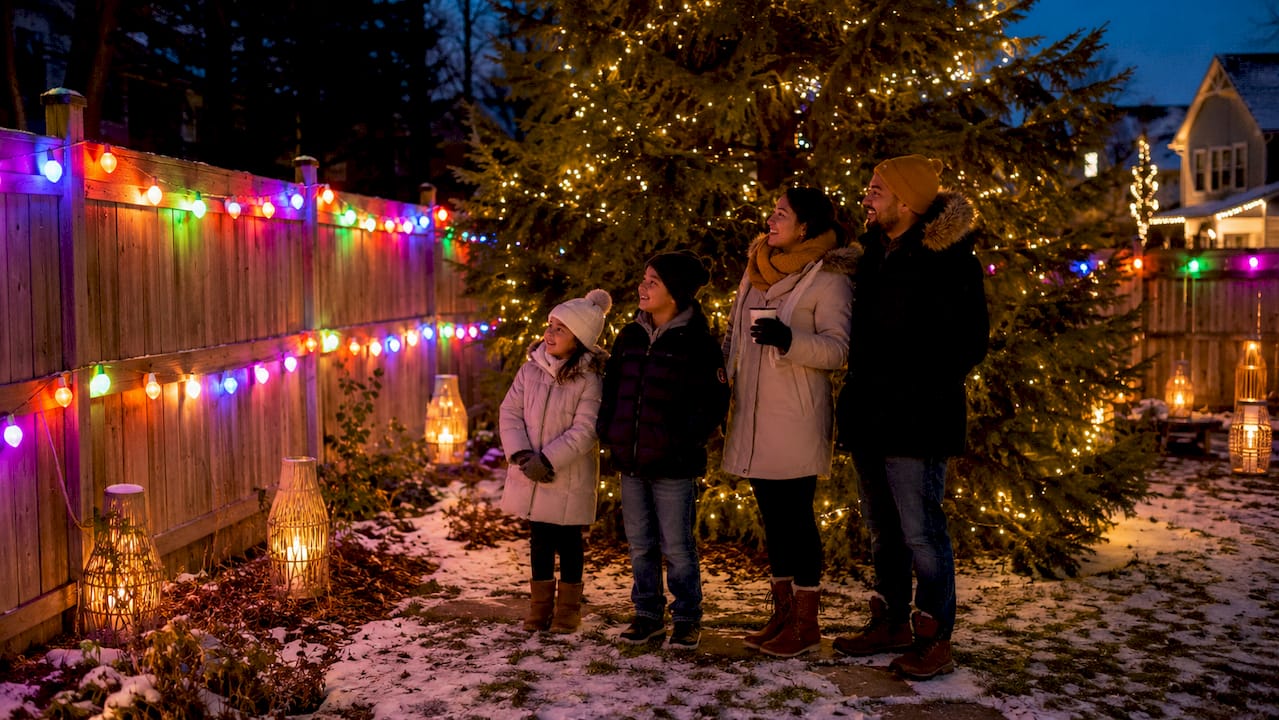
Themed holiday lighting is defined as a coordinated outdoor display where color palette, bulb type, and placement work together to create a single, recognizable visual story. The best examples of themed holiday lighting setups go far beyond stringing random lights on a roofline. They use C9 and C7 bulbs as industry standards for rooflines, apply the “one hero piece” design rule, and follow IP67/IP68 weatherproofing standards for safe outdoor use. Whether you want a classic warm white look or a full RGB animated show, the theme you choose determines every decision that follows.
1. Examples of themed holiday lighting setups: classic warm white
Classic themed setups are the most replicated holiday lighting style in American neighborhoods. They work because they rely on restraint, repetition, and a single warm color temperature to create a unified look.
The foundation is warm white LED C9 bulbs spaced evenly along rooflines. On two-story homes, C9 bulbs are the industry standard. On single-story homes, C7 bulbs provide the right scale. Both use 80–90% less power than incandescent versions and stay cool to the touch, which reduces fire risk significantly.
Beyond the roofline, classic setups layer in:
-
Wreaths with warm white fairy lights centered in each window
-
Garlands draped along porch railings at consistent intervals
-
Candle lights placed symmetrically in every visible window
-
A single lit tree or illuminated focal point in the front yard
Cohesion comes from repetition and a restrained color palette. Mixing cool white with warm white in the same display breaks the visual unity immediately. Pick one temperature and apply it everywhere.
Pro Tip: Use your home’s architectural features as a guide. Highlight columns with vertical light wraps, trace gable lines with C9 strings, and let the structure of the house do the design work for you.
2. Whimsical and colorful setups for families and kids
Colorful, animated displays are the most crowd-pleasing category of creative holiday lights. They generate the most foot traffic and the most social media attention in any neighborhood.
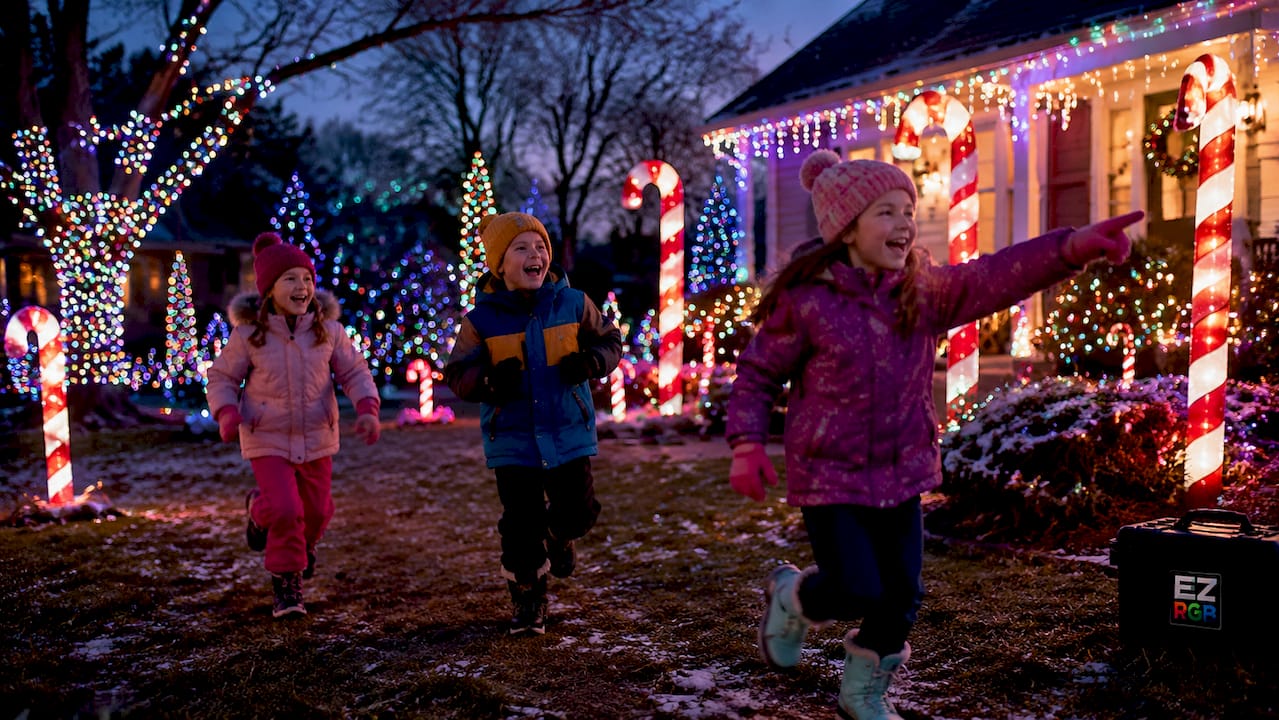
Multi-colored LED technology makes this category accessible at every budget level. RGB LED strips, color-changing net lights, and animated lawn figures all use the same underlying technology: programmable color channels that shift through hues on a timer or controller. The result is a display that looks different every few seconds.
Effective whimsical setups typically include:
-
RGB color-changing strips along rooflines and window frames
-
Animated lawn figures such as reindeer, snowmen, or penguins with motion
-
Projector lights casting moving snowflakes or stars across the facade
-
Multi-colored net lights draped over shrubs and hedges for ground-level color
-
Color-changing pathway markers leading from the street to the front door
The biggest mistake in this category is adding too many competing elements. Pick two or three hero pieces and let them breathe. A spinning projector, two animated figures, and RGB roofline strips create a complete display without visual chaos.
Pro Tip: Projector lights are the most budget-friendly way to add movement. A single unit covering your garage door or front wall creates the impression of a full animated display for under $40.
3. Modern minimalist setups for contemporary homes
Minimalist themed lighting is the fastest-growing category in festive lighting themes for homes built after 2010. Clean lines, cool white LEDs, and architectural accent lighting define this style.
The color palette is narrow by design. Cool white or daylight LEDs (color temperatures between 5,000K and 6,500K) create a crisp, modern look that complements flat rooflines, large glass panels, and concrete or stucco facades. Warm white would feel out of place on a contemporary home with sharp angles.
Effective minimalist setups use:
-
Linear LED strips along horizontal rooflines only, with no vertical drops
-
Uplighting at the base of trees, columns, or architectural walls to create sculptural shadows
-
Recessed pathway markers flush with the ground, not tall stake lights
-
A single illuminated element in the yard, such as one lit birch tree or a geometric light sculpture
Zone separation is the technical principle behind the best minimalist displays. Static white light on roof peaks combined with a slow, subtle chase pattern on lower lines creates depth without clutter. The display reads as intentional and curated rather than decorated.
The restraint in minimalist setups is what makes them powerful. Fewer elements, placed with precision, create more visual impact than a crowded display.
4. Seasonal themes beyond Christmas
Themed outdoor decorations are not limited to December. A well-planned lighting system covers Halloween, Diwali, Easter, and the Fourth of July with equal effectiveness.
Seasonal lighting themes use focused color palettes and specific lighting behaviors to match each holiday’s mood:
| Holiday | Primary Colors | Key Lighting Behavior |
|---|---|---|
| Halloween | Orange, purple, green | Flicker effects, slow color shifts |
| Diwali | Warm gold, white, red | Bright, layered, high-density coverage |
| Easter | Pastel pink, lavender, soft white | Gentle fade cycles, garden accents |
| Fourth of July | Red, white, blue | Zone-based bursts, sequential patterns |
The practical advantage of this approach is that pixel controllers allow seasonal switching without removing and reinstalling lights. You change the color program in an app or website, and the same physical hardware delivers a completely different display. This is the core value of RGB lighting systems installed once and used year-round.
Pro Tip: For Halloween, set your RGB system to a slow orange-to-purple fade during early evening, then switch to a rapid green flicker after 9:00 PM. The behavior change signals the shift from family trick-or-treat hours to a spookier atmosphere.
5. How to choose and install your themed setup safely
Most holiday lighting failures come from power issues, not the lights themselves. Voltage drop and inadequate weatherproofing cause flickering, tripped breakers, and in worst cases, fire risk.
Follow these steps to plan and install your themed setup correctly:
-
Calculate your electrical load. Add up the wattage of every string and fixture. Your transformer or circuit must handle the total load with at least 20% headroom.
-
Use IP67 or IP68 rated connectors at every outdoor junction point. IP67 handles temporary water immersion. IP68 handles continuous exposure. Both are appropriate for outdoor holiday use.
-
Choose the right mounting method. Shingle clips and gutter clips hold C9 and C7 strings without damaging your roof. Zip ties work for temporary installs on railings and fences but degrade in UV over time.
-
Separate your power zones. Run roofline circuits, pathway circuits, and yard figure circuits on separate breakers. This prevents one overloaded zone from killing your entire display.
-
Install an RGB system for theme switching and scheduling. Players let you set on/off times, change color programs, and switch songs from your phone.
-
Test before you commit. Run every string before mounting. Failures in a garage are far easier to fix than failures on a ladder in December.
Pro Tip: Voltage drop becomes a problem when a single string runs longer than 25 feet from the controller. Use multiple shorter runs connected to the same controller rather than one long daisy chain. Your lights will burn brighter and more evenly.
For detailed placement best practices, EZRGB publishes a full 2026 guide covering roofline spacing, clip types, and zone planning for homes of every size.
6. Using the “one hero piece” rule for any theme
The “one hero piece” rule is the single most effective design principle for unique Christmas light setups. A single focal installation anchored by one main color with two accent colors creates a professional-looking display on a limited budget.
The hero piece is the element your eye goes to first. It could be a fully lit 12-foot tree in the front yard, an animated pixel display on the garage door, or a dramatically uplighted oak tree at the property line. Every other element in the display supports the hero rather than competing with it.
This rule works across every theme category. In a classic warm white setup, the hero is a single large wreath with a spotlight. In a whimsical colorful setup, the hero is the animated lawn centerpiece. In a minimalist setup, the hero is one dramatically uplighted architectural feature. The supporting elements use the same color palette at lower intensity.
Applying this rule also controls your budget. You spend the most on one great piece and fill the rest of the display with lower-cost supporting elements. The result looks more expensive than it is because the eye reads the hero piece as the standard for the whole display.
Key Takeaways
The most effective themed holiday lighting setups combine a clear focal point, a restrained color palette, and proper electrical planning to create displays that look professional and last the full season.
| Point | Details |
|---|---|
| Choose a clear theme first | Pick one style (classic, whimsical, minimalist, seasonal) before buying any lights. |
| Apply the one hero piece rule | Anchor your display with one strong focal element and let everything else support it. |
| Match bulb type to home style | Use C9 for two-story rooflines, C7 for single-story, and RGB strips for animated setups. |
| Plan your electrical load | Separate circuits by zone and use IP67/IP68 connectors to prevent failures and fire risk. |
| Use an RGB system for year-round value | One EZRGB system covers every holiday with a color program change, no reinstallation needed. |
What we’ve learned from years of themed lighting builds
The EZRGB Team’s perspective on what actually works
The most common mistake we see homeowners make is buying lights before they have a theme. They end up with three boxes of warm white, two boxes of multi-color, and a projector that doesn’t match anything. The display looks busy and unfinished, not festive.
The one-hero-piece rule changed how we think about every build. When you commit to one strong focal point, every other decision becomes easier. You know what color to buy, where to place the supporting elements, and when to stop adding. That clarity is what separates a display that stops traffic from one that just fills a yard.
We also believe that technology should reduce stress, not create it. RGB systems sound complicated, but they actually simplify the process once they’re installed. You set your Halloween program in October, your Christmas program in November, and your New Year’s program in December, all from your phone. The lights do the work.
The community impact of a well-executed themed display is real. Neighbors notice. Kids ask their parents to drive past your house. That reaction is worth the planning effort. Start with one strong theme, execute it well, and build from there each year.
— EZRGB Team
EZRGB makes themed holiday lighting setups easier
Creating a professional-looking holiday display used to require hours of planning, technical knowledge, and trial and error. EZRGB changes that by giving you a platform where you upload a photo of your home, drag and drop lighting props, and sync everything to music without any technical background.
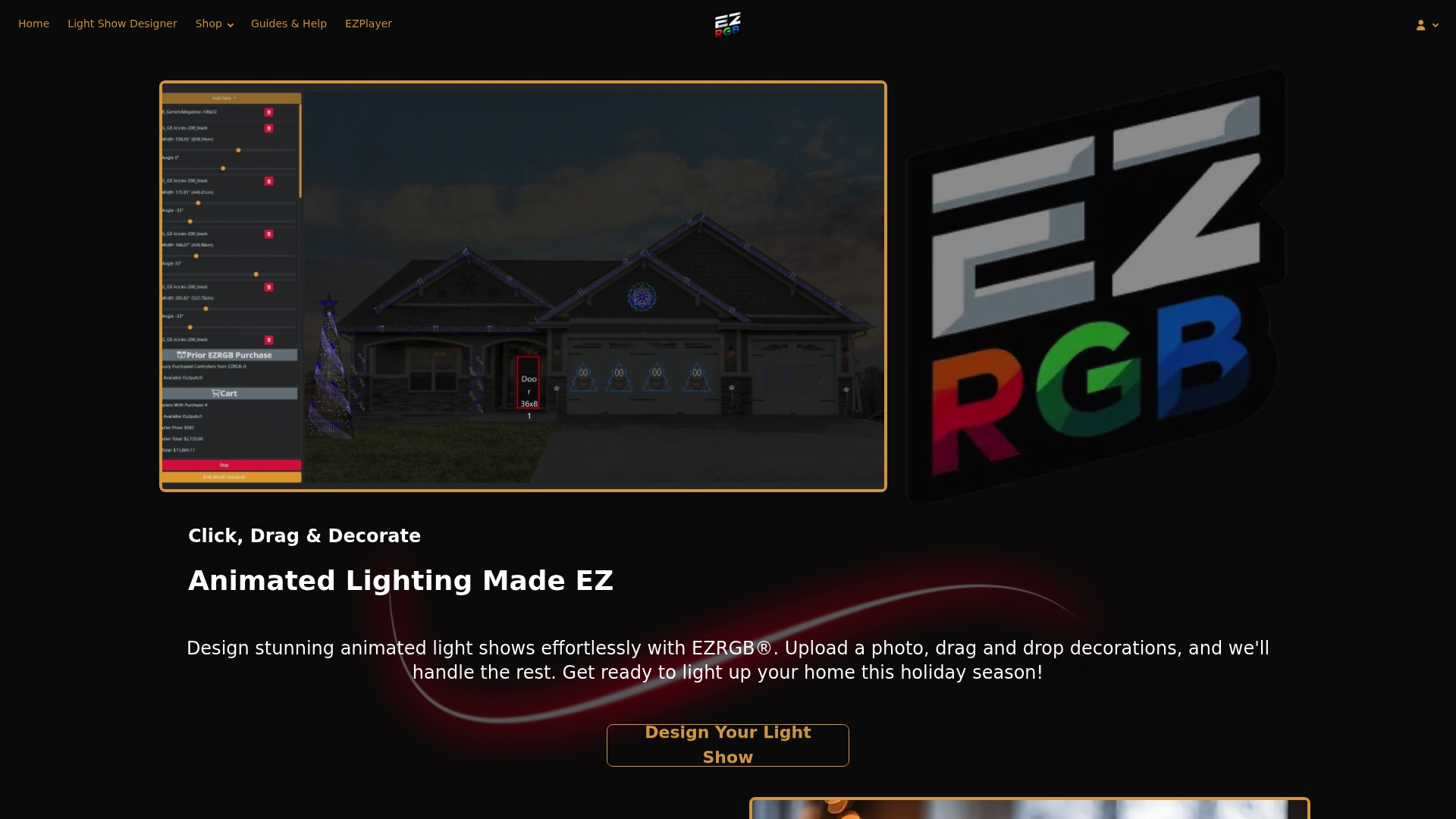
The Christmas Light Show Kit 1 gives you everything you need to run a synchronized, animated display from your first season. For roofline-specific builds, the Roofline Special covers 200 foot of C9’s with 6 inch spacing and everything you need to start your show. If you need help getting started, the guides and help center walks you through every step from installation to your first light show. Visit EZRGB to see the full range of kits, props, and display options built for families who want impressive results without the complexity.
FAQ
What bulb type is best for roofline holiday lighting?
C9 bulbs are the standard for two-story rooflines, and C7 bulbs work best on single-story homes. Pixel LED versions of both use 80–90% less power than incandescent and stay cool to the touch.
How do I keep my themed display looking cohesive?
Use one primary color with a maximum of two accent colors, and apply the one-hero-piece rule. Restrained palettes and repetition are the defining factors in polished, professional-looking themed displays.
Can I use the same lights for multiple holidays?
Yes. EZRGB smart lighting systems let you switch seasonal color programs through the website without removing or reinstalling any hardware. One installation covers every holiday year-round.
What causes holiday lights to flicker or fail?
Voltage drop and inadequate weatherproofing are the primary causes of holiday lighting failures. Use IP67 or IP68 rated connectors at all outdoor junctions and keep individual string runs under 25 feet from the power source.
How do I add animation to my holiday display on a budget?
Projector lights are the most cost-effective way to add movement. A single projector unit covering a garage door or front wall creates a dynamic animated effect and typically costs under $40.
